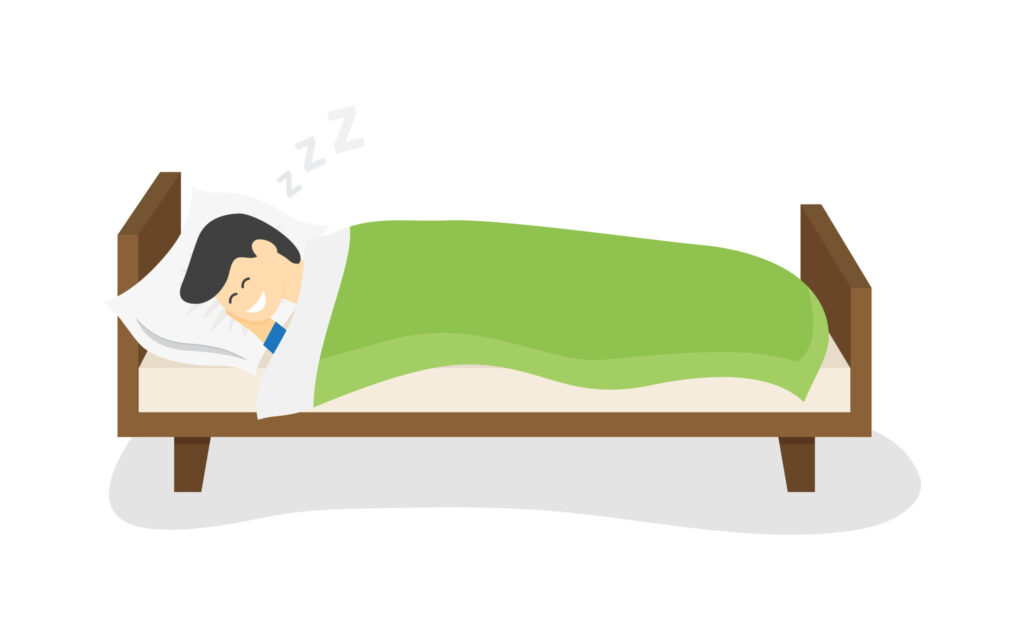



My phone gently reminds me each night at 9:30pm that it is time to wind down. By 10:00pm, I am usually fast asleep. A good night’s rest has always mattered to me, and over time, I have built a routine that supports it. My room is dark and cool, my bed is comfortable, and I drift off quietly listening to sleep meditations.
Sleep is one of the most essential pillars of well-being, influencing both our mental and physical health. Without it, our bodies and minds begin to struggle. Just as food and water sustain our vital systems, sleep restores and protects them. When we do not get enough, our immune system weakens, making us more susceptible to illness. Research also links poor sleep to increased risks of heart disease, diabetes, weight gain and even certain cancers. Mentally, lack of rest affects our focus, memory, and mood.
So why do so many of us take sleep for granted?
Are we truly too busy, or have we simply formed habits that work against us?
Sleep is not something we can eliminate. We can only borrow against it, and the cost is often high. We have all heard the phrase “beauty sleep,” and there is truth behind it. Without adequate rest, we may notice dark circles, accelerated aging, and increased stress. Sleep deprivation can even affect cognitive function and hormone levels, influencing everything from decision-making to overall well-being.
On the other hand, when we prioritize rest, the benefits are undeniable. We look and feel better. Our thinking becomes clearer, our decisions improve, and our bodies activate their natural healing processes. We wake up feeling restored.
When we invest in sleep, the return is powerful.
So how much do we actually need?
According to studies from The Happiness Studies Academy:
- Babies need 14 to 15 hours, though they typically get about 12.
- Elementary-aged children need 11 to 12 hours but average around 9.5.
- Adolescents need about 9 hours, though many fall short.
- Adults need around 8 hours, yet few consistently achieve it.
Sleep does not have to be an all-or-nothing event. It is natural to move in and out of lighter and deeper stages throughout the night. In fact, research suggests that humans also experience natural dips in energy during the day.
German physician and behavioral physiologist Jürgen Aschoff found that people often experience a second dip in alertness during the afternoon, making short naps a natural extension of our sleep patterns. Building on this idea, Cornell professor James Maas popularized the term “power nap,” describing a brief 20-minute rest that can restore energy and focus. Even notable figures such as Winston Churchill, Albert Einstein and Thomas Edison were known to incorporate naps into their daily routines.
Rest, in all its forms, matters.
Think of sleep as an appointment with yourself, one that deserves to be protected. Resist the trade-offs. Refine your evening routine. If you need one, allow yourself a short power nap during the day.
This is your time to reset and restore.
You deserve it.
As with any meaningful investment, what you give to your sleep comes back to you many times over.