


My wife, Felice, and I were having dinner at a local Chinese restaurant with friends, Frank and Paula. Paula often sought happiness with a couple of martinis, and that night was no exception.
We were enjoying beef with broccoli when the conversation suddenly became difficult, and Paula began gasping for breath. Frank, sitting immobile, just kept shoveling food into his mouth.
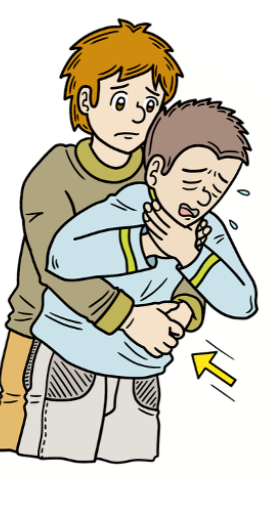
Recognizing a choking emergency, I jumped up, pushed Frank aside, and dashed behind Paula. Wrapping my arms around her midsection, I thrust my gripped fists sharply upward into her diaphragm. On the second thrust, a piece of meat shot out, and Paula began to breathe again.
It all happened so fast that no one in the noisy, crowded restaurant noticed the commotion at our table. Paula’s color returned, and she expressed heartfelt gratitude.
WHAT IS THE HEIMLICH MANEUVER AKA ABDOMINAL THRUST?
The Heimlich maneuver is a first-aid technique used to treat choking. It involves quick, upward abdominal thrusts that can dislodge food or objects stuck in the airway.
Here’s a clear summary of the American Red Cross Heimlich maneuver protocol for choking:
FOR RESPONSIVE ADULTS AND CHILDREN OVER 1 YEAR OLD
○ Ask the person if they’re choking and need help.
1. Identify Choking
○ Look for signs: inability to speak, cough, or breathe; clutching the throat; panicked expression; pale or bluish skin.
2. Give Abdominal Thrusts (Heimlich Maneuver)
○ Stand behind the person.
○ Place the thumb side of your fist just above their navel.
○ Grasp your fist with your other hand.
○ With fists clasped, perform quick, upward thrusts into the abdomen.
○ Continue until the object is expelled or the person can breathe.
FOR INFANTS UNDER 1 YEAR OLD
1. Support the Infant
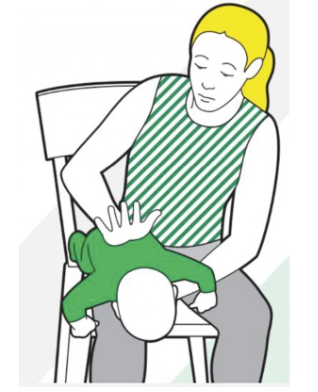
○ Hold the infant face down on your forearm, head lower than chest.
2. Give 5 Back Blows
○ Use the heel of your hand between the shoulder blades.
3. Give 5 Chest Thrusts
○ Turn the infant face-up.
○ Use two fingers on the center of the chest, just below the nipple line.
4. Alternate Back Blows and Chest Thrusts
○ Continue until the object is dislodged or help arrives.
IMPORTANT NOTES
• Do not perform abdominal thrusts on infants or pregnant individuals.
• Do not intervene if the person can cough forcefully or speak—encourage them to keep coughing.
• If the person becomes unresponsive, begin CPR and call for emergency help
Empower yourself, protect our community!